Last week, I had an amazing opportunity to sit down with one of Microsoft’s most forward-thinking leaders who left me with a very different (and much more hopeful perspective) on what AI actually means for our careers. In this post, I share the key takeaways from Katy George, who leads Workforce Transformation at Microsoft.
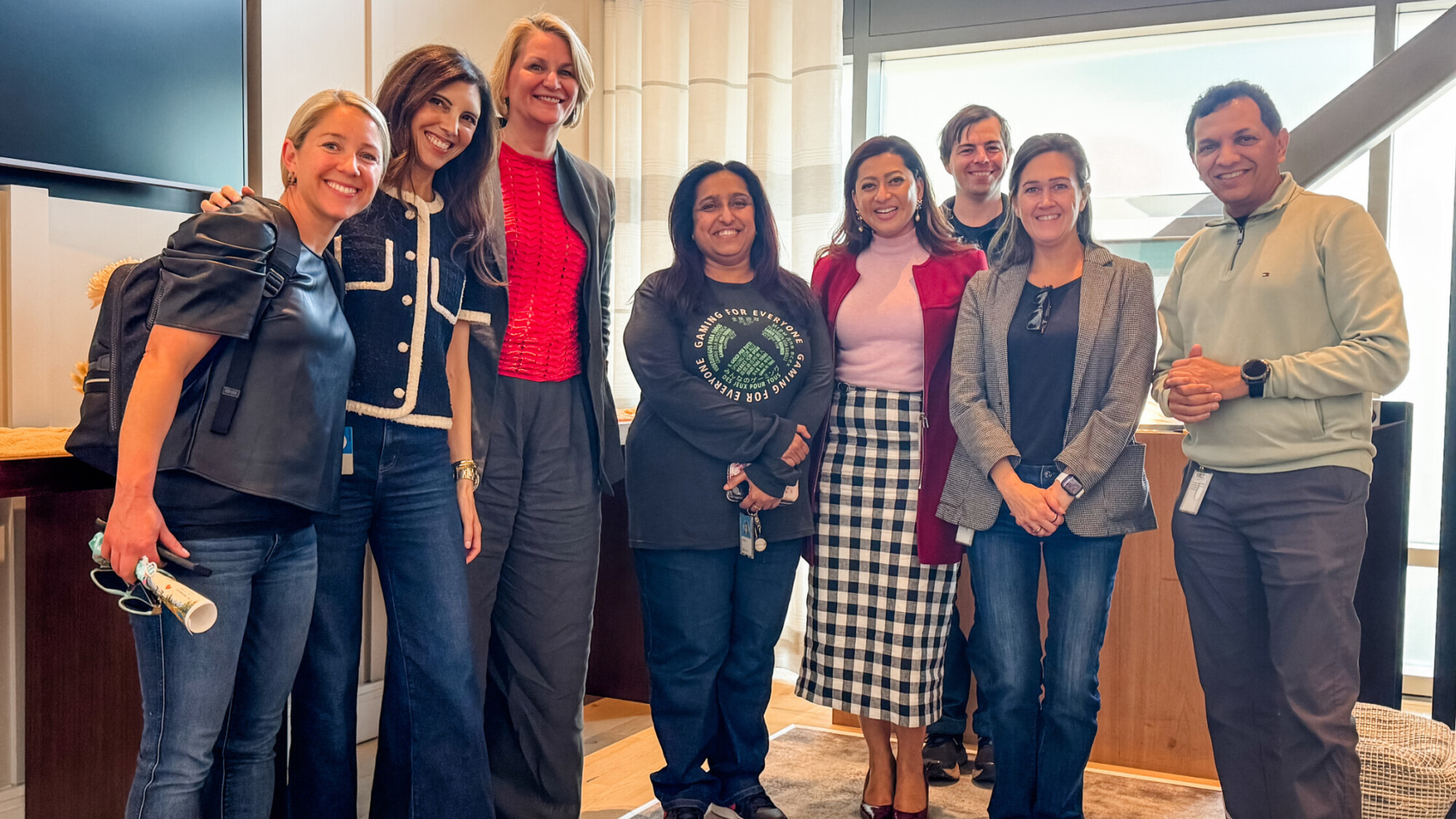
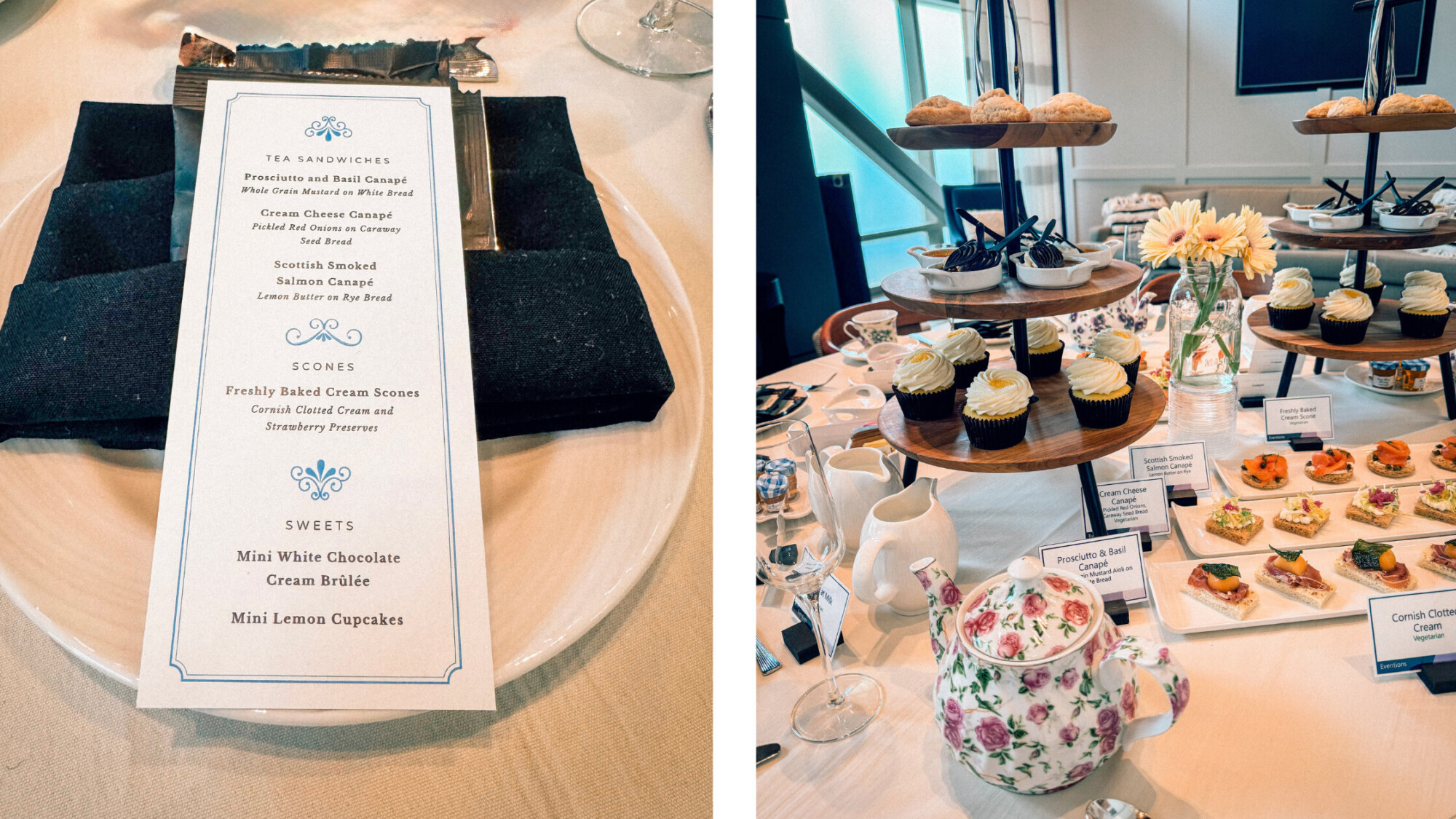
Back in October, I bid on an auction package during Microsoft’s GIVE Month for an opportunity to have tea with a small group of colleagues and Katy George, Corporate Vice President at Microsoft. Last week, we got to meet and it turned out to be one of those rare moments that quietly exceeds expectations (and makes you very glad you clicked “bid”).
What I expected to be a lovely afternoon sipping tea turned into one of the most energizing, perspective-shifting conversations I’ve had in a long time.
A Different Kind of AI Conversation
Katy leads Workforce Transformation at Microsoft. If it sounds like a big job, it is! In simple terms, she’s helping the company figure out what it actually looks like to become an AI-powered organization.
Not in theory. In practice.
What I loved hearing is that she brings a Lean, continuous improvement mindset to the work, which means the focus isn’t on hype. It’s on systems, workflows, and how work really gets done. After experiencing the power of lean at my previous company, it was encouraging to hear how much that applies to this new era of AI.
She recently shared what she calls the Frontier Firm playbook, which outlines early patterns and learnings from Microsoft’s own transformation journey. If you’re interested in the business side of AI, it’s worth a read as it provides practical examples of how to apply the concepts.

The Insight That Changed How I’m Thinking About AI
Most of the workplace conversation around AI is framed around efficiency. It’s the consistent message we hear in the news and across social channels:
Do more with less.
Automate repetitive work.
Move faster.
All true. But it’s not the whole story. What Katy emphasized is this: AI doesn’t just change the speed of work. It changes the structure of work. We’re moving away from rigid, role-based models toward something more fluid and skills-based.
The question shifts from: What is your job title?
to:
What can you do, and where does that create value?
That’s a meaningful shift. And for most of us, it requires a different way of thinking about our careers.
The Frontier Firm Playbook (Simplified)
One of the most useful parts of the conversation was how clearly Katy and her team are seeing patterns emerge that consistently accelarate progress:
- Persona Acceleration
Make knowledge work visible.
Most work is still hidden in our heads, in meetings, inboxes, and “how things actually get done.” Until you can see it, you can’t improve it. - Workflow Optimization
Redesign the system, not just the task.
AI applied to a broken process just makes the broken process faster. The real gains come from rethinking the flow end-to-end. - AI-First Incubators
Build what doesn’t exist yet.
Some opportunities don’t fit into current structures. They require space to experiment and create entirely new ways of working.
The key idea is this: AI doesn’t transform companies. Systems do. That’s a helpful reality check in a moment where it’s easy to over-focus on tools to magically solve things. And that’s where a human-led organization comes into play.
What This Means for Your Career
If work is becoming more skills-based and systems-driven, a few things start to matter more:
- Understand where you create value end-to-end
Look beyond your individual contribution to how your work connects across the broader process and with others to deliver meaningful outcomes. - Make your work visible
Turn your work into something others can see, understand, and build on. - Build the habit of experimentation
Approach your work as something to test and evolve, not just execute.
Katy described this as building a culture of ongoing experimentation to unlock “capability add,” not just incremental improvement. It’s essentially a growth mindset applied to how work itself evolves.
A Small Reminder I Needed
That GIVE Month auction package would have been easy to scroll past. I’m really glad I didn’t!
What struck me most wasn’t just the conversation itself. It was the perspective shift.
AI can feel like something happening to us. New tools. New expectations. Constant noise about what’s coming next. It’s easy to default to feeling anxious about the how to keep up with all the change and uncertainty.
But the people shaping this next chapter aren’t just reacting to change. They’re stepping back and asking better questions. What should work look like? Where can this actually make things better? What do we want to build that doesn’t exist yet?
That’s the part that feels hopeful.
Some of the most valuable career moments don’t come from formal programs or big announcements. They come from smaller, more intentional spaces where you get to think differently, not just move faster.
A small group.
A thoughtful conversation.
A glimpse of what’s possible.
If there’s a takeaway, it’s this: Don’t just try to keep up with AI. Look for ways to engage with it more intentionally. The real opportunity isn’t just learning the tools. It’s helping shape how they’re used in ways that actually improve how we work and live.
That feels like a future worth leaning into.
Thanks for reading and sharing. xx